 DYNO
DYNOWHERE ENGINES
PROVE THEMSELVES.
Dynamometer cells. Multi-axis crash sleds. 128-channel telemetry. The data that gets your program to homologation — or back to engineering before a deadline becomes a recall.
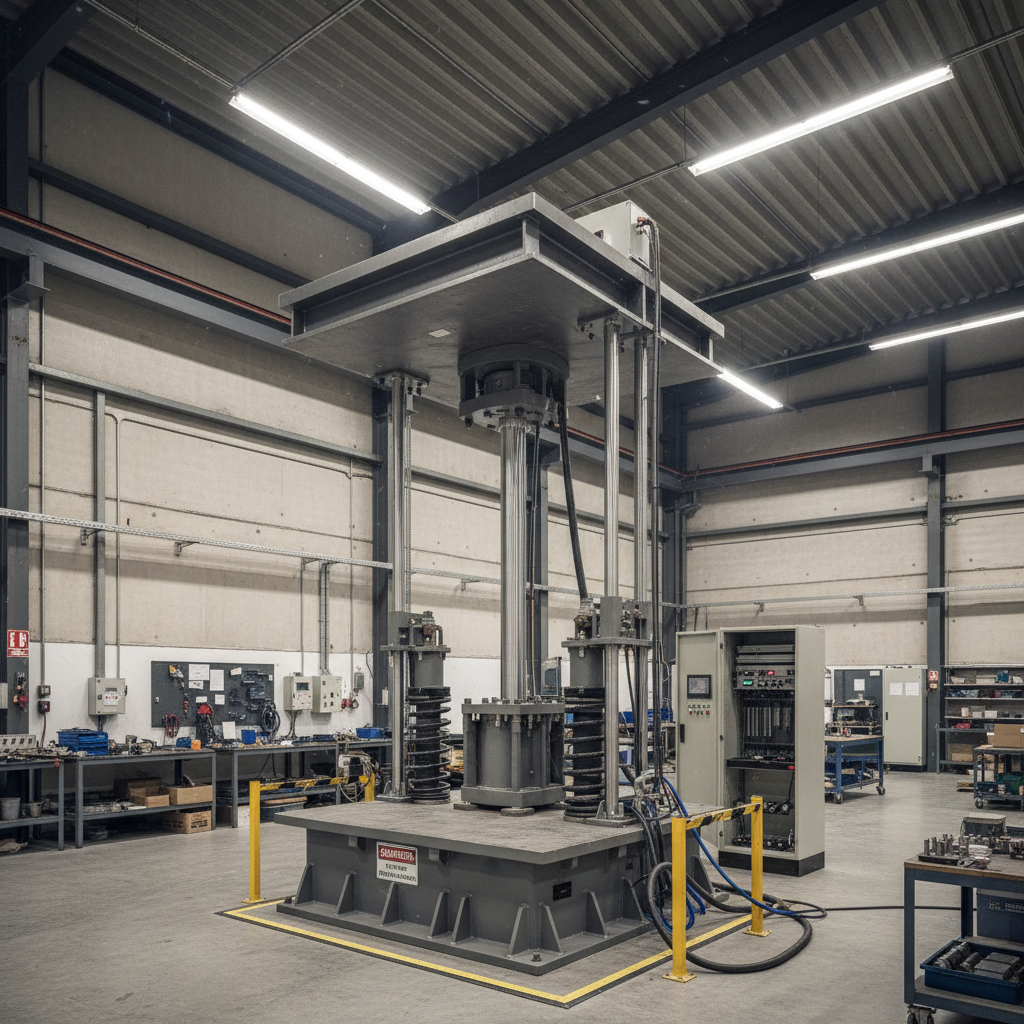
Single-Axis Vibration Rig
Standard electrodynamic shaker running swept-sine profiles. One axis at a time. No road load data correlation. Fixtures replicate nothing in the field.
- Single-axis excitation only
- Pre-programmed sine sweep profiles
- No simultaneous multi-point measurement
- Fixture resonances contaminate data
- Pass/fail against generic IEC spec
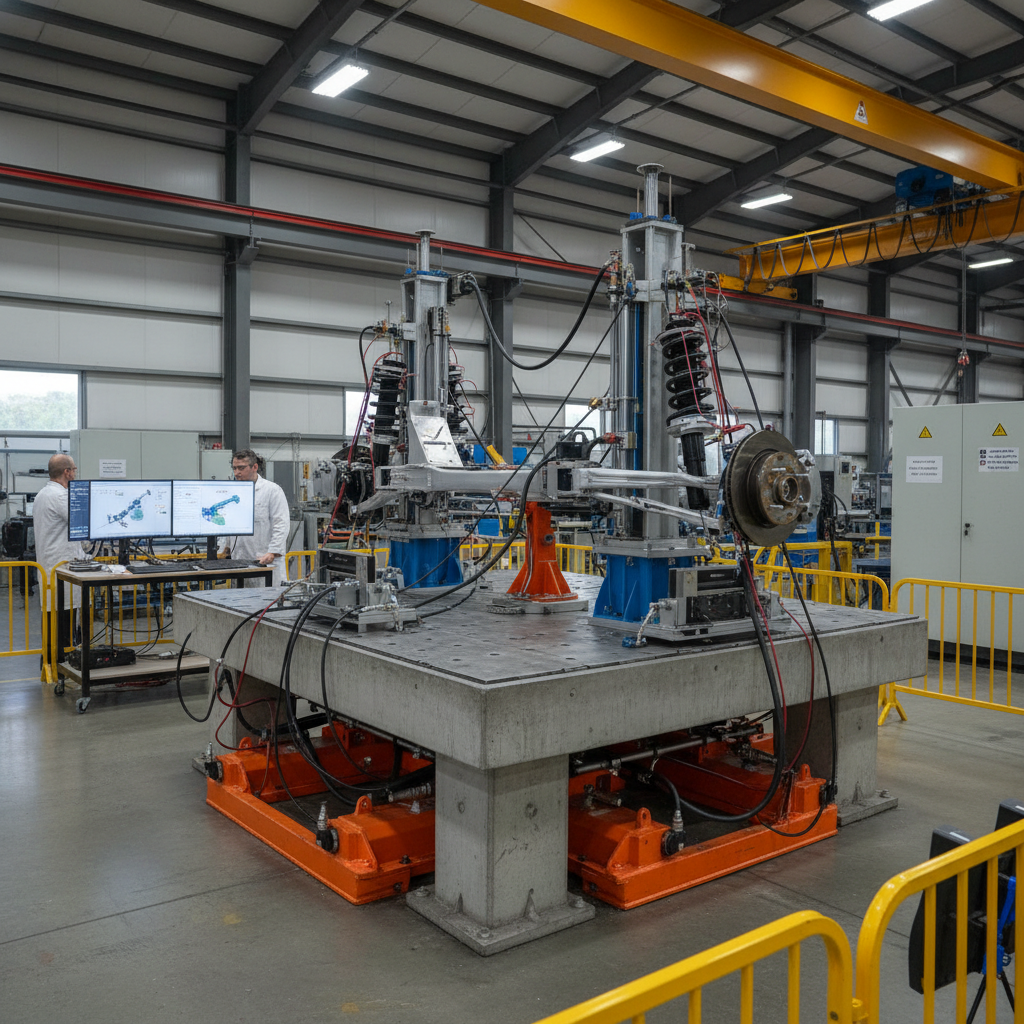
Multi-Axis Servo-Hydraulic Shaker
Six-degree-of-freedom servo-hydraulic table driven by measured road load data. Simultaneous XYZ excitation with 128-channel response mapping. Every resonance mode captured.
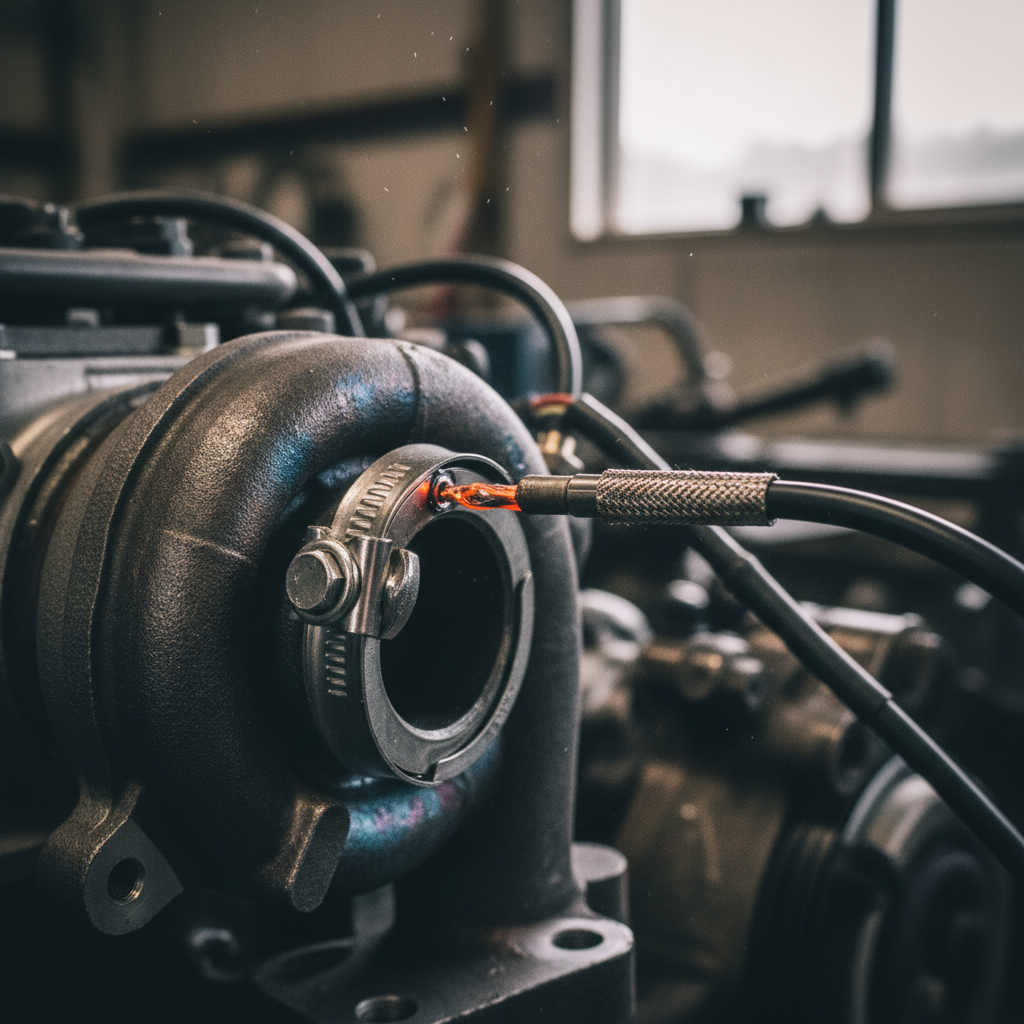
Single-Point Temperature Probe
Thermocouple mounted at the exhaust manifold exit. One number. No spatial distribution. No transient response. CAE correlation requires extrapolation across 40 unmeasured zones.
- Thermocouple count: 1–4 points
- Steady-state readings only
- No thermal gradient mapping
- Localised hotspot detection: none
- CAE model correlation: manual guess
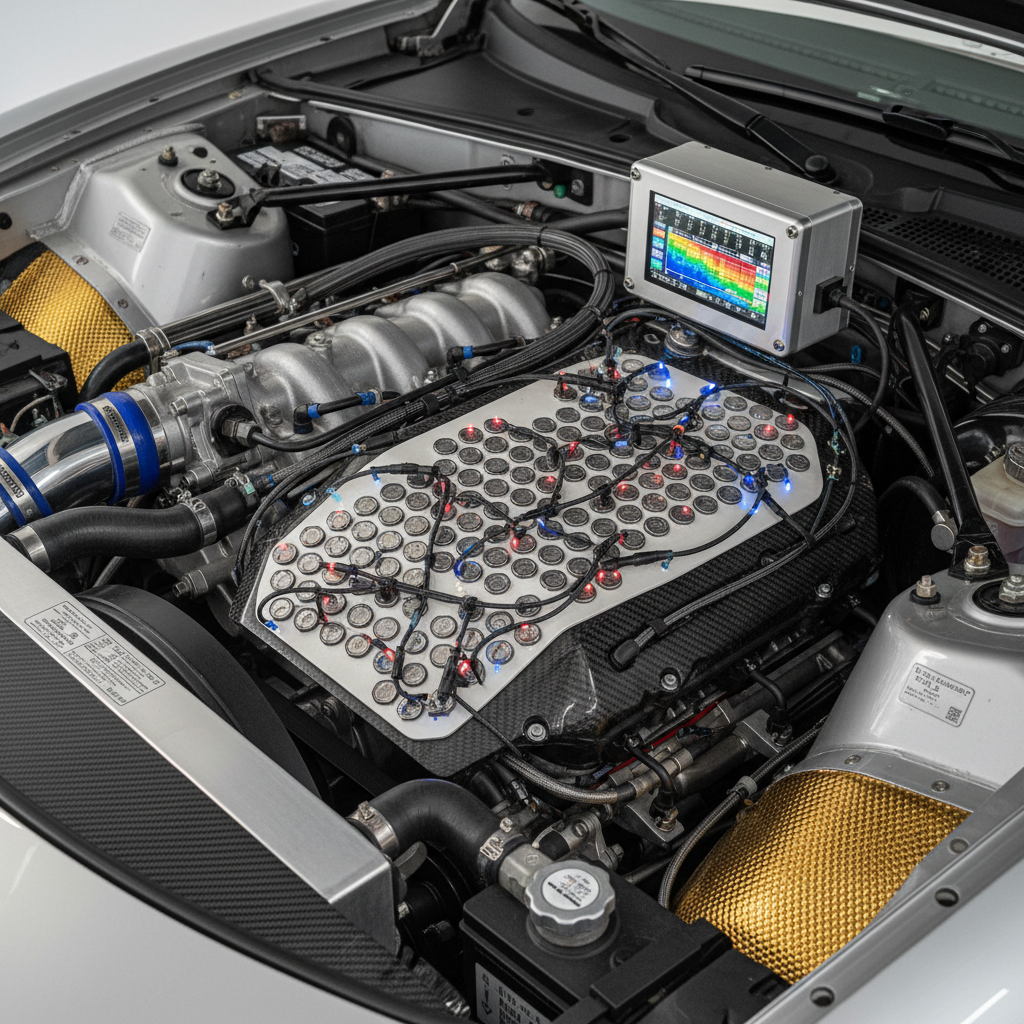
128-Channel Thermal Mapping Array
Distributed thermocouple and infrared sensor array across the full powertrain bay. Transient response at 1 kHz. Direct export to CAE thermal model with spatial correlation within 2°C.
Pass / Fail Binary Output
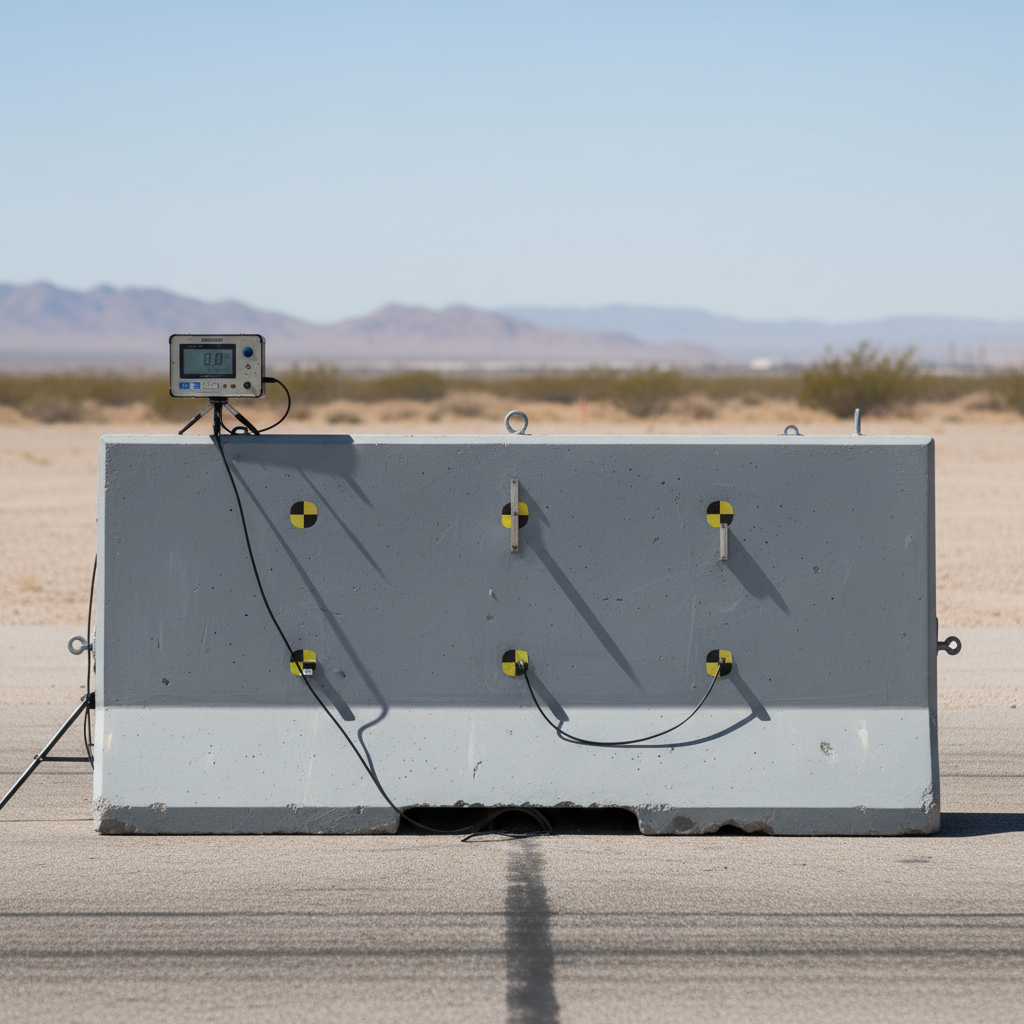
Barrier test to regulatory minimum. Accelerometer at B-pillar. Report states "compliant" or "non-compliant." No failure mode sequence. No energy absorption curve. No correlation path.
- Sensor count: 3–5 accelerometers
- Imaging: 30–60 fps standard video
- Output: binary compliance verdict
- Structural intrusion: tape measure
- Failure mode sequence: not captured
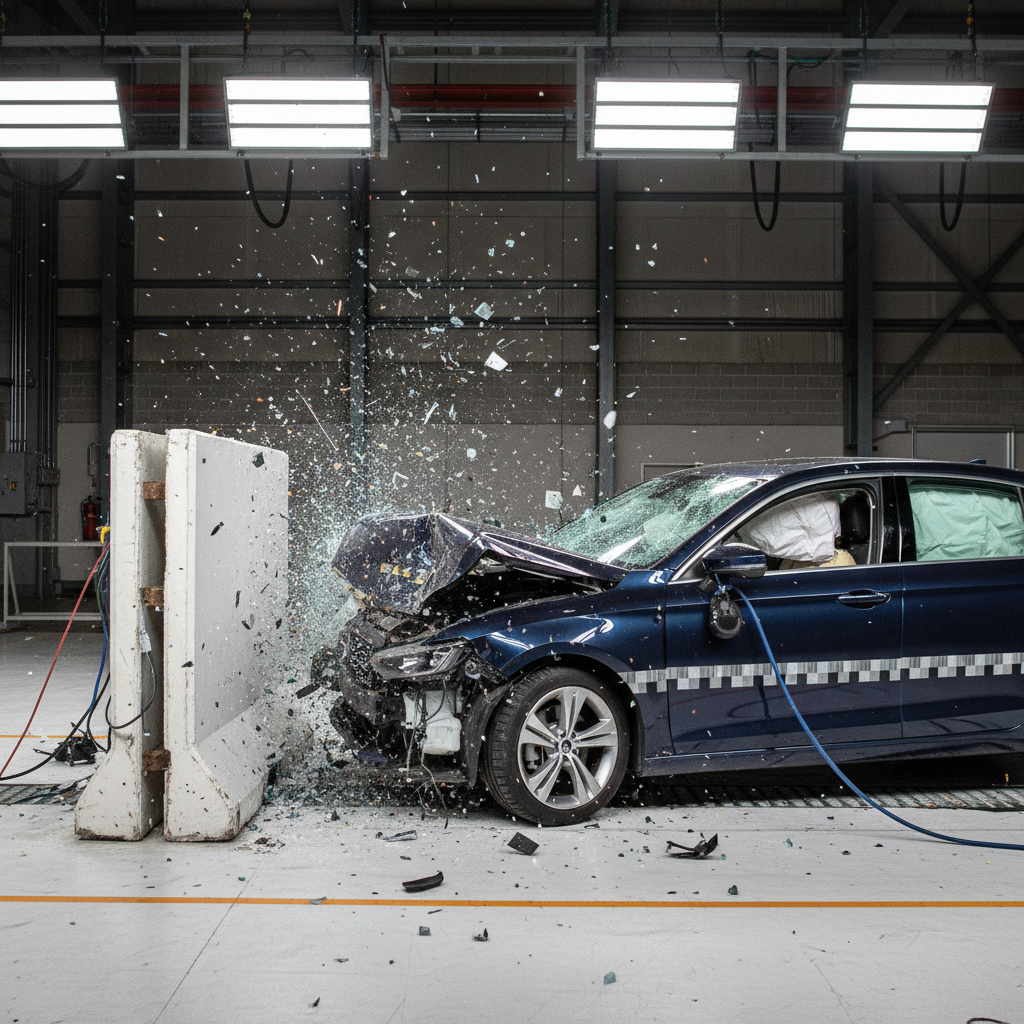
Failure-Mode Analysis & CAE Correlation
Frontal offset, oblique, and pole impact protocols with 47-channel occupant load cell, 1,000 fps high-speed array, and photogrammetric structural deformation mapping. Every millisecond of the deceleration pulse documented.
See exactly where your test protocol falls short.
Side-by-side comparison prepared by a Dyno engineer within 4 hours.
Simultaneous sensor acquisition
High-speed imaging minimum
Average report turnaround
Displacement measurement tolerance
Built to the standard
that closes contracts.
Every test report we issue is backed by traceable accreditation. OEM procurement teams accept our data without re-testing. Homologation authorities recognize our crash documentation.
Testing Laboratory Accreditation
Automotive QMS Certified
Occupant Crash Protection
Frontal Collision Regulation
Euro & US Protocol Ready
Instrumentation Standards
Free Download
Capability Matrix PDF
Circulate the spec sheet
before the first call.
A single document comparing Dyno's test specs, channel counts, turnaround windows, and accreditation standards against typical in-house and contracted lab benchmarks. Built for engineering managers to share internally.
No sales call scheduled. No account required.